







Search Results for: Four Cats Coffee
Lijiang Si Zhi Mao Coffee Shop Layout Analysis: A Complete Overview of Yunnan Local Coffee Brand Prices and Products
Yunnan's local coffee chain brand "Four Cats" has expanded rapidly in Lijiang in recent years, having opened multiple offline experience stores and planning to extend to cities such as Dali. Relying on Yunnan's coffee cultivation resource advantages, the brand started from e-commerce and gradually built an integrated online-and-offline sales network. Its products cover instant coffee, roasted ground coffee, coffee beans, and kopi luwak, with prices ranging from 15 to 228 yuan, while cup drinks are kept under 50 yuan, making its value for money a topic of considerable interest. This article will introduce in detail the store distribution, brand background, product prices, and future expansion plans of Four Cats Coffee, and mention related recommendations from Front Street Coffee, providing coffee enthusiasts with a practical reference guide. [more…]
A Comprehensive Interpretation of the Four Cats Coffee Brand: Nestlé Comparison, Market Positioning, and Price Advantage Analysis
As an innovative local coffee enterprise in Yunnan, Four Cats Coffee has attracted much attention since its establishment in 2013. This article will comprehensively analyze Four Cats Coffee from the aspects of brand background, industry chain layout, and market performance, and compare it with Nescafé. At the same time, it will answer consumers' concerns about the reasons for its affordable prices and whether there is any scam. Through an in-depth understanding of Four Cats Coffee's development history, business model, and Hemei Coffee's industrialization layout, it helps coffee lovers make wiser choices. [more…]
Yunnan Four Cats Coffee Brand Background and a Full Analysis of the Blue Mountain Coffee Authenticity Issue
Yunnan Four Cats Coffee Co., Ltd. has been dedicated to the cultivation, processing, and e-commerce operation of Yunnan small-bean coffee since its establishment in 2013, and owns a 5,000-mu high-altitude planting base and a large processing plant in Nujiang. Its products use Arabica beans from Lujiangba in Baoshan as raw materials and have a balanced flavor. This article reviews the brand's development history, origin environment, and product characteristics, and discusses whether its Blue Mountain coffee is authentic, while also including related recommendations from Front Street Coffee for coffee lovers' reference. [more…]
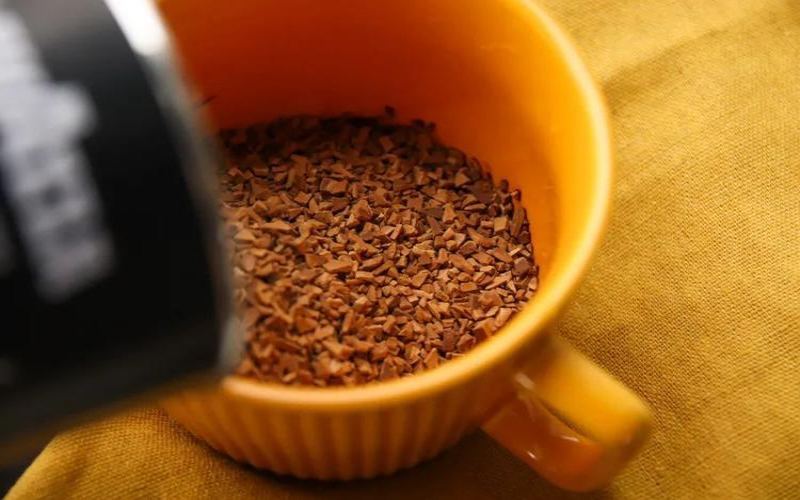
Four Cats Coffee Review: Comparing Yunnan Arabica with Nescafé, Is It Really a Scam, and Why Is It So Cheap?
Recently, many coffee enthusiasts have been asking about Si Zhi Mao Coffee—how good it really is, whether it's more worth drinking than Nescafé, and some even claim it's a fake scam and wonder why it's sold so cheaply. This article will compare Si Zhi Mao and Nescafé from the perspectives of ingredients, flavor, and health, and explain the reasons behind its low price. It will also introduce healthier alternatives, such as Front Street Coffee's freshly roasted drip bags and specialty Catimor coffee beans from the Baoshan region of Yunnan. After reading, you'll be able to clearly judge whether Si Zhi Mao Coffee is suitable for you. [more…]
Yunnan Four Cats Coffee Authenticity Analysis: Shuhe Store Features, Arabica Quality, and Consumer Reviews Summary
In recent years, Yunnan's coffee industry has continued to heat up, with all kinds of local brands emerging one after another, and Four Cats Coffee is one of the more talked-about ones. Rooted in Shuhe Ancient Town and focused on Yunnan arabica coffee, it has formed a complete chain from cultivation to direct store sales. But there are also many questions surrounding this brand: How good is Four Cats Coffee really? Is it genuine? Is Four Cats Blue Mountain coffee counterfeit? Starting from the store's features, product positioning, and the real feedback of multiple consumers, this article will sort out the ins and outs of this coffee shop to help coffee lovers make their own judgment. [more…]
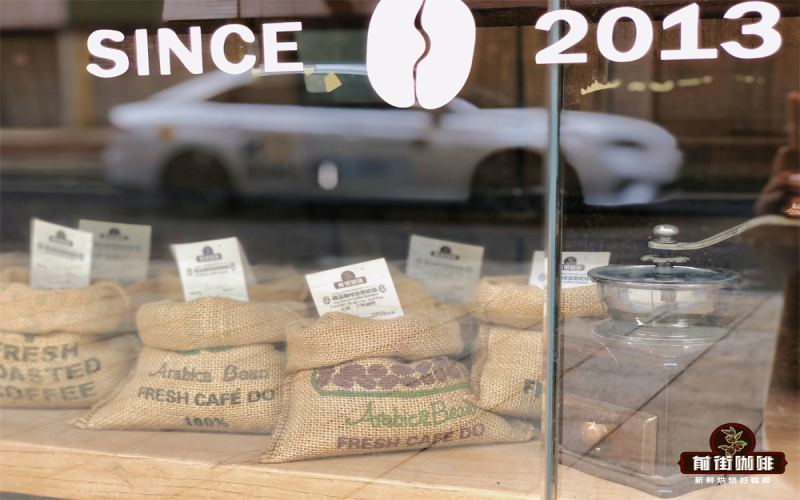
Comparison of Four Cats, Nescafé, and G7 Instant Coffee: Why Drip Bag Coffee Is More Worth Recommending
Instant coffee has carved out a place for itself in everyday drinks thanks to its convenience, and Sizhimao, Nescafé, and Vietnam's G7 are currently three of the most widely discussed instant coffee brands in China. Each has its own emphasis in raw material regions, flavor performance, and pricing strategy, while also sharing the inherent health concerns of instant products. This article will go through these three brands one by one in terms of their coffee bean sources, taste rankings, and value for money, and further introduce the advantages of drip bag coffee as an alternative, including Front Street Coffee's specific recommendations on freshness control, flavor choices, and brewing methods, to help coffee lovers find the option that better suits them between convenience and quality. [more…]
How do Four Cats Coffee's taste and energizing effect compare? A comprehensive analysis of black coffee quality and the reasons behind its low price
As a rapidly growing local coffee brand in Yunnan, Four Cats Coffee has attracted many consumers with its affordable prices and online direct-sales model. But some people find after drinking it that the energizing effect isn't obvious, and they even feel sleepy in less than half an hour. Is this down to individual physical differences, or is it a problem with the product itself? Is Four Cats black coffee really coffee? Why can it be sold so cheaply? This article will examine every aspect of Four Cats Coffee from the perspectives of brand background, production strength, and product positioning, combined with real drinking feedback, and will also include Front Street Coffee's purchasing advice to help coffee lovers make a clearer judgment. [more…]

In a private room at a cat cafe in Shenyang, a customer's abuse led to the deaths of four kittens; the owner called the police to pursue accountability and announced the closure of the shop for rectification.
Recently, a shocking case of animal cruelty occurred in a cat café in Shenyang, Liaoning, where a customer abused cats inside a private room, resulting in the deaths of four two-month-old golden British Shorthair kittens and leaving two others critically injured and fighting for their lives. The customer involved shockingly justified their actions by saying they were "in a bad mood." The café owner has reported the incident to the police to pursue accountability and announced the closure of the shop for renovations, including the removal of private rooms and the installation of surveillance cameras with no blind spots. Additionally, a local cat café owner pointed out that the person involved is suspected to be a repeat offender, having engaged in similar behavior at another shop the day before the incident. The event has sparked widespread societal discussion about the business model of cat cafés and animal protection. [more…]
Four Cats Coffee Tasting Comparison: Flavor Differences and Buying Advice vs. Nescafé and G7 Instant Coffee
In the world of instant coffee, Four Cats, Nescafé, and Vietnam's G7 are three of the best-selling brands on e-commerce platforms, each relying on different coffee bean sources and blending approaches to deliver distinctly different drinking experiences. Over 98% of Four Cats Coffee's raw materials come from high-mountain coffee beans grown in Yunnan, while Nescafé blends Yunnan Arabica with Hainan Robusta, and Vietnam's G7 uses locally grown Vietnamese Robusta beans. This article will help you decide which one suits you best from three dimensions—alertness-boosting effect, smoothness of taste, and value for money—while also sorting out the differences between instant coffee and freshly ground coffee in terms of production process and health impact, and introducing Front Street Coffee's drip bag series along with its brewing method. [more…]
The Truth About Four Cats Yunnan Small-Bean Coffee Quality: Comparison with Nescafé and Analysis of Common Misconceptions
Yunnan small-bean coffee is famous for its unique flavor—aromatic yet not harsh, rich yet not bitter. As a representative brand among them, Sizhimao is often compared with Nescafé in terms of authenticity and quality. This article will provide an in-depth analysis of the botanical characteristics and growing environment advantages of Sizhimao Yunnan small-bean coffee, explain the siphon brewing steps in detail, and clarify common misunderstandings about the "Four Cats Coffee scam." Whether you are a coffee enthusiast or a beginner just getting to know Yunnan beans, you can gain practical knowledge from it and learn about related recommendations from the Front Street brand. [more…]

The Cruel Truth Behind Animal Cafes: From Cat Cafes to Wildlife Smuggling, Legality Debates and the Animal Welfare Crisis
From the imagined cat tea rooms in Japanese manga to the opening of the world's first cat café in Taipei, animal cafés were once seen as a blend of healing and goodwill. Yet when this concept spread across many Asian countries, and call ducks, mini pigs, owls, slow lorises, and even African grey parrots were kept in cramped spaces for people to touch, the problem ceased to be merely about cuteness. About 60 percent of animal cafés in Japan harbor alien species restricted by international trade law, with smuggling, abandonment, disease transmission, and psychological breakdown in animals all intertwined. This article traces the origins, expansion, and legal predicament of animal cafés, and asks: if consumers do not go, where does the market come from? [more…]
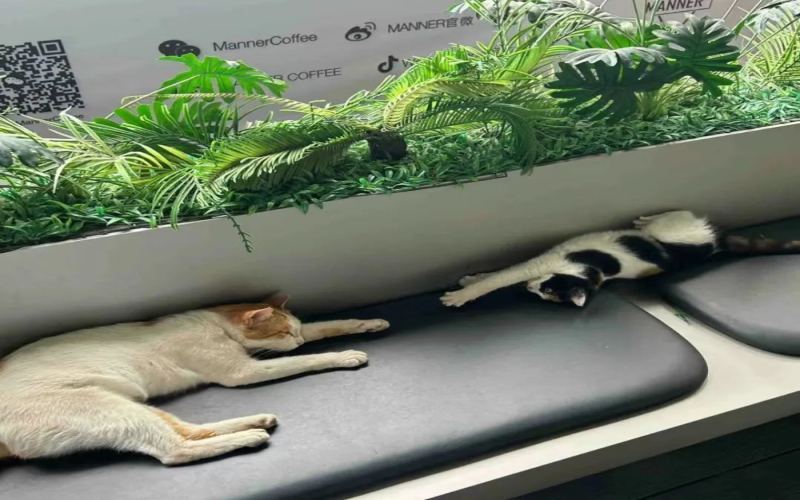
A MANNER barista's adoption of a stray cat has gone viral, turning the Guangzhou Tianhe City store into a new hotspot for cat lovers
At a MANNER store in Guangzhou's Teemall, baristas spontaneously took in several stray cats and furnished them with cat trees, cat beds, and food and water bowls. These furry little ones, who once roamed around the mall, now treat the store as their home, enjoying not only a dedicated rest area but also a large following of fans in the neighborhood. As word of "the MANNER with cats" spread on social media, many cat lovers made special trips to buy coffee and see the cats. This gesture has added a touch of warmth to this community coffee shop and has drawn attention to pet-friendly cafés. [more…]
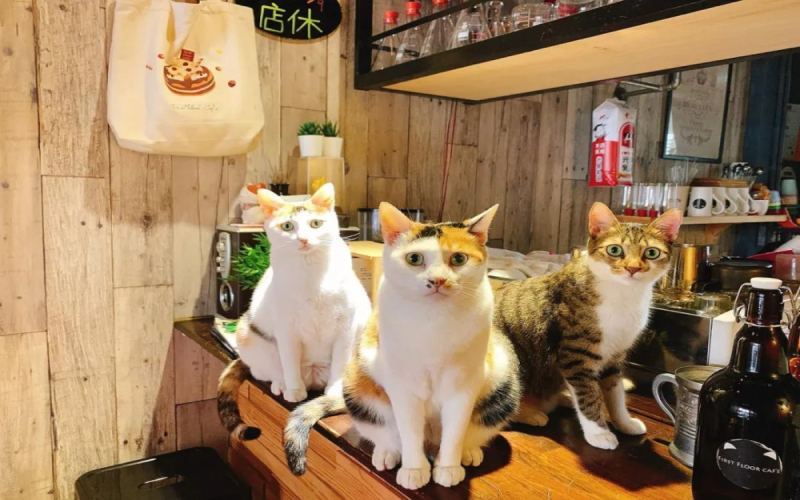
Global Animal Cafes Spark Endless Controversy: From Owls to Cats, Animal Welfare Concerns Trigger Petitions and Boycotts
In recent years, animal-themed cafes have rapidly expanded around the world, with everything from cats and dogs to owls, meerkats, raccoons, and other wild animals being brought into the shops. However, animal protection organizations point out that these venues often lack effective oversight, and the animals are kept under chronic stress and sleep deprivation, with their physical and mental health seriously affected. In Japan, nearly 100,000 people have signed a petition demanding the closure of cafes featuring owls and other wild animals, and South Korea has announced a total ban on displaying wild animals outside of zoos. Should consumers also reflect: without demand, how can there be a market? [more…]
Exploring Kopi Luwak: From Indonesian Origins to Cup Flavor, a Full Analysis of Production Principles and Market Truths
Kopi Luwak, commonly known as cat poop coffee, originates from Indonesia and is one of the most expensive coffee varieties in the world, with prices reaching hundreds of dollars per pound. Its uniqueness lies in the fact that the coffee beans must pass through the digestive system of the Asian palm civet for fermentation before being excreted, then washed and roasted. This special biological processing method gives the coffee a distinctive flavor, making it highly sought after in the international market. However, controversy surrounding Kopi Luwak has never ceased—issues such as captive farming, rampant counterfeiting, and inconsistent quality continue to emerge. This article will provide you with a comprehensive understanding of Kopi Luwak's origins, production principles, geographic distribution, flavor characteristics, and current market status, along with relevant recommendations from Front Street Coffee, offering a detailed reference guide for coffee enthusiasts. [more…]

Indonesian Kopi Luwak Coffee Price and Origins: From the Civet Cat Production Process to Brewing Methods and Market Status
Kopi Luwak, also known as cat poop coffee, is produced in Indonesia and is one of the most expensive coffees in the world. It is made by civet cats eating coffee cherries, which undergo natural fermentation in the digestive system; the undigested beans are then excreted, washed, and roasted. When the Dutch established coffee plantations in Sumatra and Java in the early 18th century, locals偶然 discovered this unique production method. Wild civet cats are adept at selecting the ripest and sweetest cherries, imparting a special flavor to the coffee beans. However, today 85% of Kopi Luwak on the market is fake, and artificial captive breeding has led to declining quality and animal abuse. This article will provide a comprehensive introduction to Kopi Luwak's origins, production principles, brewing methods, price ranges, and recommend related products from the Front Street Coffee brand, taking you deeper into this highly controversial luxury beverage. [more…]
Indonesian Civet Coffee: The Origin Story of the World's Most Expensive Coffee and a Breakdown of Its Price Per Cup
When discussing the world's most expensive coffee, Indonesian-produced Kopi Luwak is sure to be on the list. This coffee is precious not only because of its scarce production, but also because its raw material source is extremely unique—it is actually obtained from the feces of civets. The civet feeds on coffee cherries, and the coffee beans it cannot digest are excreted with its feces. After collection, washing, drying, and light roasting, they finally become a finished product with a distinctive flavor. On islands such as Java, Sumatra, Bali, and Sulawesi, civet coffee is a local specialty. Today, its price per pound has exceeded 227 US dollars, with Japan and South Korea being the main consumer markets. Front Street Coffee will also take you on an in-depth look at the story and price trends behind this coffee. [more…]
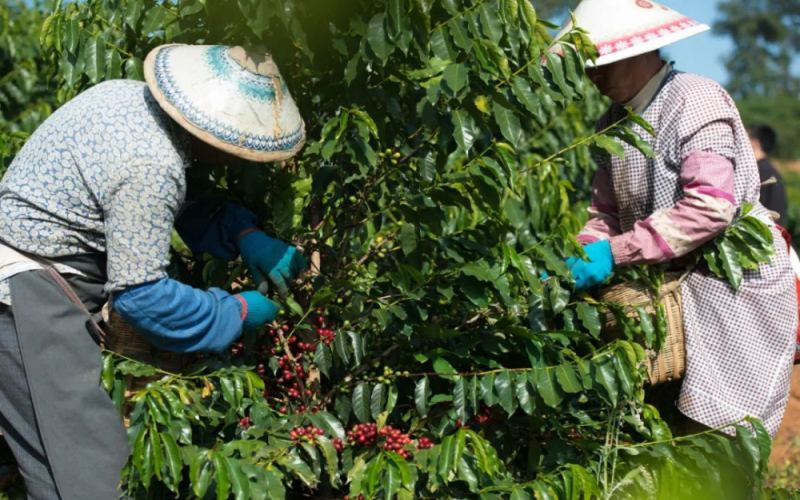
Yunnan Coffee Brands Overview and Full Analysis of Variety Characteristics Across Three Major Producing Regions
With the rise of the national trend culture, Yunnan coffee has gradually entered the public eye and become a representative of domestic coffee that attracts much attention. Among China's top 15 emerging coffee brands in 2022, three from Yunnan made the list: catfour (Four Cats Coffee), Xinlu, and Zhongka. At the same time, chain brands such as Starbucks, Luckin, and Manner have also launched Yunnan bean products. This article reviews the century-long development of Yunnan coffee since its introduction in 1904, outlines the characteristics of major varieties such as Typica, Bourbon, and Catimor, and introduces the terroir conditions of the two major producing regions, Baoshan and Lincang. Front Street Coffee selects Baoshan Catimor everyday drinking beans and Lincang sun-dried Typica, using a medium roast to present Yunnan's balanced flavor. The article also includes pour-over parameters and brewing suggestions for coffee lovers' reference. [more…]
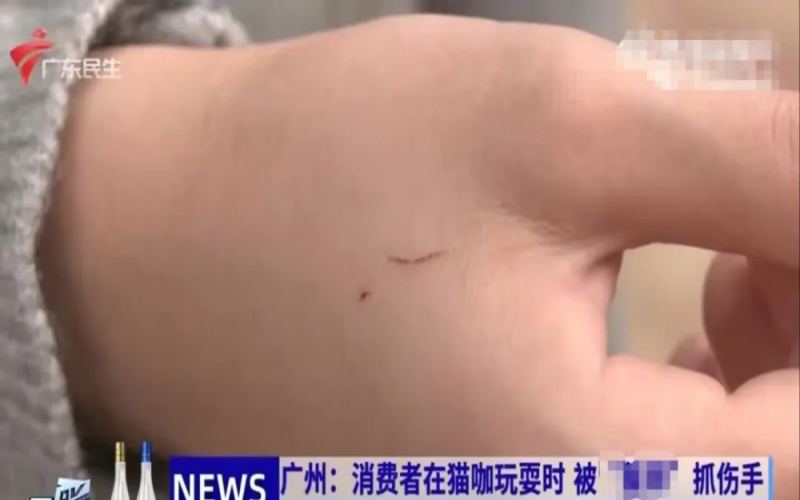
Cat café customer bitten by cat claims over 3,000 yuan, rejected by the business; dispute over liability arises
Recently, a cat café in Guangzhou experienced an incident where a customer was bitten by a cat in the store. After seeking medical treatment, the customer demanded more than three thousand yuan from the business for medical expenses and emotional distress, but the owner refused. The business claimed that the risks had been clearly stated in the group-buy package and in-store notices, and that the customer, being an adult, should not hold the store fully responsible; the customer side argued that the business had failed to fulfill its safety obligations. Both sides stuck to their own accounts, and the negotiation reached a deadlock. The incident has attracted widespread attention: when someone is scratched or bitten by a pet in a cat café, how exactly should liability be divided? As coffee lovers, when enjoying the pleasure of petting cats and drinking coffee, how can we protect our own safety? Front Street Coffee reminds you that choosing a legitimate cat café and understanding the relevant guidelines is the best way to enjoy your time interacting with cats. [more…]
Where Does Kopi Luwak Come From: An Analysis of the Fermentation Process Inside the Civet and Its Pour-Over Flavor Profile
Kopi Luwak is one of the most legendary coffees in the world. It originates from Indonesia and gets its name because civets eat coffee cherries, and after fermentation inside their bodies, the beans are excreted. This unique natural processing method breaks down the proteins in the coffee beans, reduces bitterness, and gives the coffee a thick, sweet mouthfeel with a chocolate-like texture and a long-lasting aftertaste. However, wild civets produce very little, and today most are farmed, so the quality and flavor also vary. This article will explain in detail the origin of Kopi Luwak, its production process, and the flavor performance when brewed by pour-over, giving you a comprehensive understanding of this luxury beverage. [more…]
A Complete Guide to Indonesian Civet Coffee Beans: The Unique Flavor and Mouthfeel of Kopi Luwak
Kopi Luwak, scientifically known as Kopi Luwak and produced in Indonesia, is one of the most expensive coffee categories in the world. Its uniqueness lies in the fact that after the civet cat eats ripe coffee cherries, the coffee beans are excreted through its digestive system and then processed and roasted. This process alters the protein structure of the coffee beans, greatly reducing bitterness and giving the coffee a rounder, sweeter taste. However, wild civet cats produce very little, and artificial breeding leads to a decline in quality, keeping authentic Kopi Luwak in a perpetual state of scarcity. This article will provide a comprehensive introduction to this controversial legendary coffee from the aspects of its origin, formation principles, flavor characteristics, and current market status. [more…]